Everything You Need To Know About Mesothelioma Lawyer
Mesothelioma Mesothelioma is a type of cancer that grows within the protective linings surrounding organs, such as the abdomen and chest. The majority of the time, exposure to asbestos is the cause, particularly for those working in industrial or construction jobs. eugene mesothelioma lawyer and treatment is key to a good prognosis. If mesothelioma can be detected early the patients have a better prognosis. Causes Mesothelioma is a type of cancer that develops in the tissue that surrounds the chest and abdomen. The most common form of malignant mesothelioma can be found in the lung linings, stomach and intestines. It can also affect other tissues, such as the tissue around the heart (pericardial msothelioma) and the testicles. Asbestos exposure is the most significant cause of mesothelioma. Asbestos is one of the minerals that are composed of tiny microscopically-sized fibers. Asbestos was once widely used in a variety of industries, including construction, insulation and shipbuilding. Exposure to asbestos can cause mesothelioma symptoms 40 years after the last exposure. The most frequent sign is difficulty breathing. This is caused by a buildup in the lung's space and the chest wall. The doctors can diagnose mesothelioma after studying a patient's medical record and conducting diagnostic tests. They will look at the patient's X-rays, computed-tomography (CT) and magnetic resonance imaging scans (MRI) to determine whether there is any evidence of asbestos exposure. A biopsy is a method of diagnosing the presence of pleural Msothelioma. In the course of the test, doctors will collect a small amount of tissue from the affected area to study under the microscope. A biopsy can be carried out using two methods one of which is VATS, also known as a keyhole surgery. A needle inserted through the CT scan. Mesothelioma is often difficult to diagnose because the signs and symptoms are similar to other diseases. This is why it's so important to consult a doctor for any signs that make you nervous. When mesothelioma first appears, it is often in advanced stages. This means that treatment options will be limited. Most patients who have mesothelioma in the lung die from complications of the disease, such as respiratory failure and pneumonia. A smaller percentage of patients with mesothelioma affecting other organs, for instance those who suffer from pericardial or tunica vaginalis mesothelioma. They die from complications of the heart or their bowels. Symptoms The symptoms of mesothelioma are comparable to those of other illnesses or conditions which is why it can be difficult for doctors to make a diagnosis. Patients might be asked about their exposure to asbestos. They may also request an X-ray of the chest or CT scan to check for problems with the lungs and chest. The next step is typically a biopsy, in which doctors take a small sample for testing of mesothelioma. A biopsy can be used to determine if the cancerous cells are malignant. Pleural mesothelioma is a cancer that develops in the lung's lining, and the symptoms include discomfort and shortness of breath that becomes worse over time. Lung fluid accumulation (pleural effusion) can cause these symptoms as well. Other signs of pleural cancer include a bloody cough, abdominal pain and abdominal swelling as well as fatigue, weight loss and difficulty breathing. Peritoneal Mesothelioma, which is less common, causes symptoms such as nausea, abdominal pain as well as fatigue and fever. Also, mesothelioma is less frequent in the tunica vaginalis which can cause discomfort in the testicle, a lump on the scrotum, and loss of appetite. The doctor will treat mesothelioma if it has spread to other regions of the body. They will make use of various treatments and tests. They may use chemotherapy, radiation therapy and immunotherapy to kill or stop mesothelioma's growth. These treatments can be given in a hospital, at home, or through the clinic. A biopsy can help doctors determine the type of mesothelioma the patient is suffering from. There are three main mesothelioma cell types: epithelioid (most commonly used), sarcomatoid (second most commonly) and biphasic. The most common mesothelioma cell type is epithelioid. They develop slower than other cancerous cells and can be treated more easily. Sarcomatoid cancer is more difficult to cure and can be spread quickly. If you are experiencing any of the symptoms, it is important to seek immediate treatment. It is vital that they seek treatment as soon as they experience any symptoms. A mistake in diagnosis could stop them from receiving the appropriate treatment and prolong cancer time. People with mesothelioma who receive aggressive treatment have a higher chance of living longer. Diagnosis It can be difficult to diagnose mesothelioma because it is a rare form of cancer. It may take a few weeks or even months for doctors to determine the patient has a condition that requires treatment. The doctor will also ask about the patient's exposure to asbestos and when the symptoms began. The doctor may also request an imaging scan. These tests can help identify areas of the chest cavity that are problematic. The most common test to determine mesothelioma involves a biopsy that involves removing a small piece of the tumor and examining it under a microscope. The specialist doctor who examines the tissue will be able to tell whether it's mesothelioma or the type of mesothelioma that it is. There are three types: sarcomatoid mixed (biphasic) or epithelioid. The type of the cell is important because it can affect how easy the tumour is to treat. Around 70 percent of mesothelioma patients are epithelioid cancer cells. Sarcomatoid cancer cells are similar to those that are found in fibrous tissue. They are found in 30percent of mesothelioma cases. Mixed mesothelioma can be the most dangerous type because it has both epithelioid and sarcomatoid cells. A blood test can be used to determine whether levels of fibulin-3, osteopontin and soluble mesothelin-related proteins are elevated in the body. These substances are generally higher in mesothelioma sufferers than other people. However, the results of these tests are not enough to provide proof or disprove a mesothelioma diagnosis. If a mesothelioma-related diagnosis is given, the doctor may also require additional tests to determine how far the cancer has spread and how it's impacting the patient's overall health. A lung function test, for example, will reveal the efficiency of the lungs and aid doctors in deciding if surgery is a viable option. Other tests include the CT scan or MRI. A PET-CT scan combines an CT scan with a positron emissions tomography scanner, which can help doctors find out if the cancer has taken hold and where it's located. The doctor may also request an echocardiogram to examine fluid build-up around the heart. Treatment 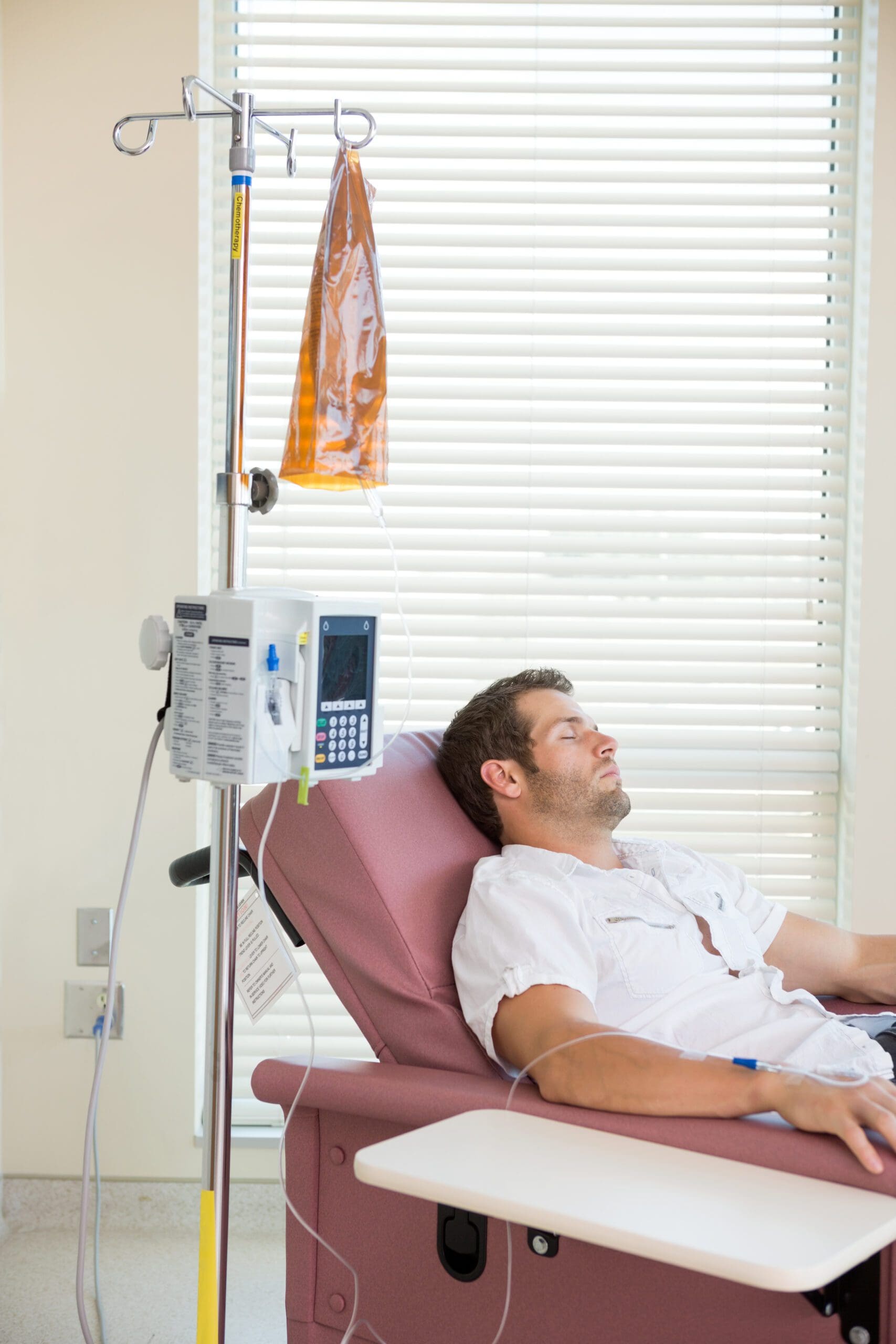 Mesothelioma patients must find a treatment that works for their specific diagnosis. Treatment options include radiation, chemotherapy, and immunotherapy. Patients should work with experts from an experienced mesothelioma cancer center in their region to receive the most effective treatment possible. Doctors can detect Mesothelioma with physical examinations, laboratory tests and imaging scans. A patient may be directed to a specialist for more in-depth testing or for treatment options, such as a biopsy. A biopsy is a procedure in which a doctor takes a small portion of tissue to examine under the microscope. Mesothelioma, a cancerous growth which occurs in the mesothelium (a protective layer of cells that protects organs in the abdomen and chest) is a form of cancer. It can also spread into bloodstreams and then move to other areas of the body, where it may cause serious complications. In addition to a biopsied scan, doctors can also perform an CT scan of the abdomen or chest. These imaging tests can be used to identify signs of mesothelioma or other diseases. They can also determine how the tumor is affecting the surrounding organs, such as how mesothelioma found in the lungs can affect the heart and intestines. Blood tests can detect the presence of a substance in blood which indicates the presence of mesothelioma. These tests aren't always reliable and are not a substitute for a biopsy to diagnose mesothelioma. The early detection of mesothelioma crucial to increasing survival rates. There are three kinds of mesothelioma that are based on the type of cells that form. Epithelioid is the most common and responds better to treatment. Biphasic mesothelioma and sarcomatoid are less responsive to treatments and have a poorer prognosis. The Pleura is the lining which protects the lungs. Doctors can treat pleural mesothelioma through chemotherapy or surgery. This type of mesothelioma can be treated with two distinct procedures: extrapleural pneumonectomy (EPP), and pleurectomy/pericardiectomy (P/D). Doctors may also opt for hyperthermic intraoperative chemotherapy, or HIOC to lower the likelihood that cancer will recur following surgery. In HIOC, doctors insert chemotherapy drugs to fight cancer directly into the surgical site. They then rock the patient back and forth while bathing the site in hot chemotherapy fluids.